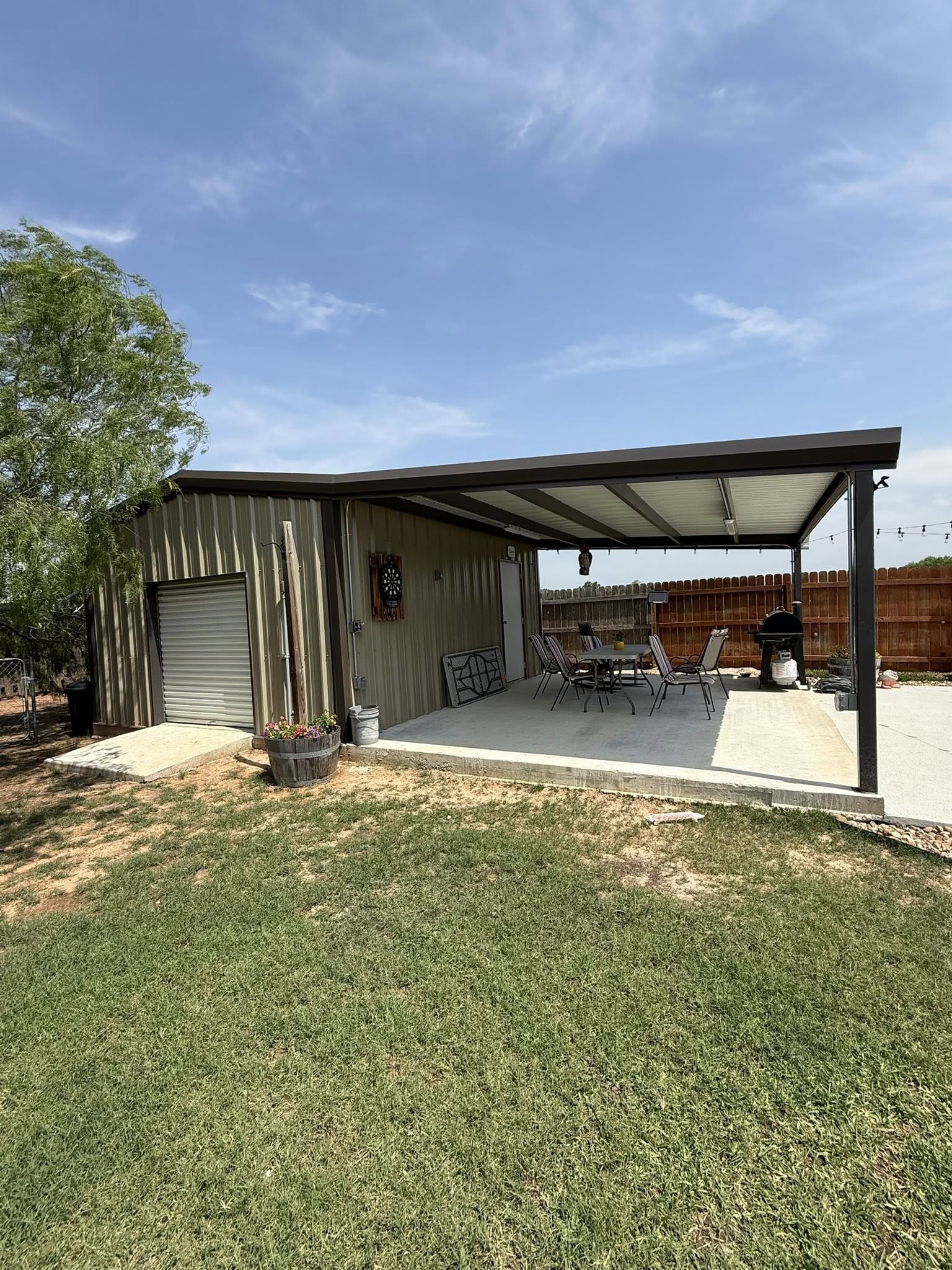
Choosing the Right Welding Technique for Your Construction Project Oct 25, 2025
Welding, at its core, is a fabrication process that joins materials, typically metals, by causing fusion. The key is choosing a method that aligns with your project’s requirements in terms of strength, material, and environment. Let’s delve into some of the most common welding techniques used in construction and discuss where they shine.
Shielded Metal Arc Welding (SMAW), commonly known as stick welding, is one of the oldest and most versatile techniques. This method is popular for its simplicity and portability, making it a great choice for on-site work, such as structural welding. It’s effective across various environments, from windy outdoor sites to confined spaces, thanks to its innate ability to produce strong joins without the need for external shielding gas. However, SMAW might not be the best option for projects that demand precision or those involving thin materials.
Gas Metal Arc Welding (GMAW), or MIG welding, offers a streamlined process suitable for indoor applications. With its ability to produce clean, strong welds at a faster rate, it is ideal for large-scale projects requiring repeatability and precision. This method uses a shielding gas to protect the weld pool, minimizing contaminants and resulting in high-quality finishes. However, it is less practical for outdoor tasks where wind could disrupt the shielding gas.
Tungsten Inert Gas (TIG) welding is renowned for its ability to produce excellent quality welds on thin and non-ferrous materials like aluminum and copper. It requires a skilled hand, as the manual control of the welding rod makes it a slower, albeit more precise, process than other methods. TIG welding is often the method of choice for projects where clean aesthetics and superior strength are paramount. Nonetheless, it may not be the best match for high-volume tasks where speed is a priority.
Flux-Cored Arc Welding (FCAW) offers an effective solution for heavy-duty applications, particularly in industrial settings. This method is versatile and can be used with or without shielding gas, making it adaptable to a wide range of environments, including outdoor sites. FCAW is particularly efficient in joining thick materials and is known for its high deposition rates. However, it can generate more smoke and spatter, necessitating comprehensive ventilation and cleanup.
When selecting a welding technique, consider the specific details of your construction project. Assess factors such as the type of materials involved, the project timeline, site conditions, and the required strength of the joins. By understanding these variables, you can choose a method that not only meets your structural goals but also aligns with logistical constraints.
Ultimately, choosing the right welding technique is a pivotal step towards achieving a successful construction project. At Roadrunner Welding & Construction, we are dedicated to providing expert guidance and quality service to ensure your build stands the test of time. With our team's extensive experience and commitment to excellence, rest assured that your welding needs are in capable hands.
Remember, a project’s integrity begins with the strength of its foundation, and the right welding technique can make all the difference. Trust Roadrunner Welding & Construction to guide you through the process with expertise and precision.
/filters:no_upscale()/filters:format(webp)/media/6834f5da-dac1-4864-83c7-5969557166ee.jpeg)